Begin with the part of the decision that can be observed. For this guide, that means writing down the current condition of flow test, then checking how it changes the role of static level and pump depth. The aim is not to force one answer, but to make the trade-off visible before a drawing, purchase, repair, or seasonal plan becomes difficult to change.
Start with a useful record
Collect the maps, photographs, measurements, dates, and questions that describe the starting point. Separate what is known from what still needs confirmation. A clear record makes it easier to compare two options, ask a qualified local professional a precise question, and notice when a familiar shortcut does not fit the property in front of you.
Compare the constraint, not just the feature
A practical choice balances access, cost, maintenance, safety, local requirements, and the people who rely on the result. Review the decision again after weather, occupancy, or system conditions change. Keep the notes with the project so the next season begins with evidence rather than memory.
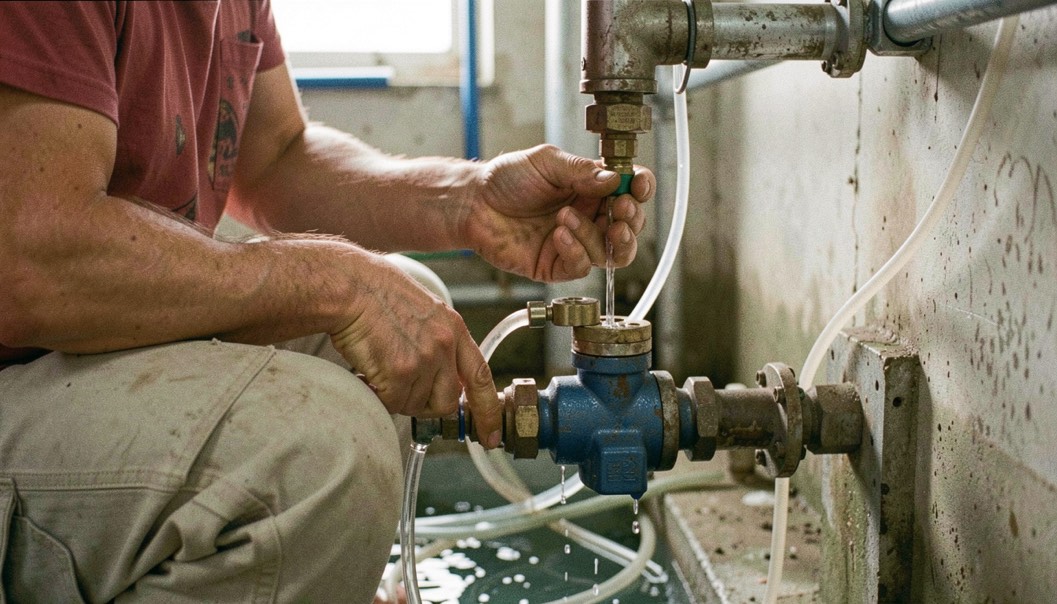
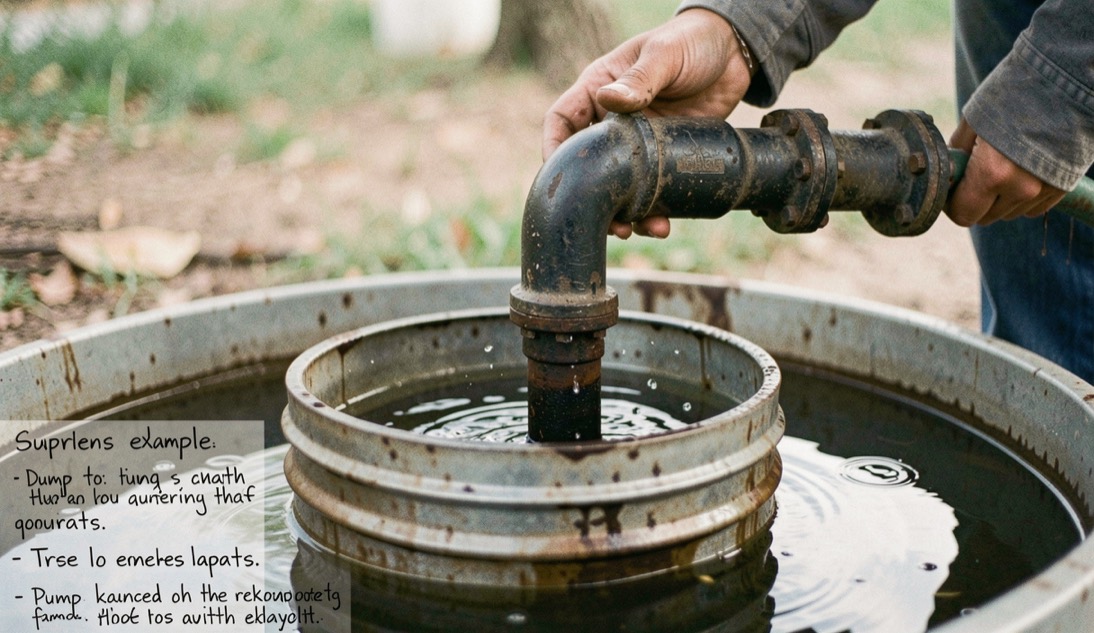
A repeatable next step
Write one small action that can be checked without guessing, note who should confirm it, and preserve the answer with its date. That simple loop keeps a mountain-living plan useful while the site, season, and project continue to change.